 IN STOCK
NAD+
Nicotinamide Adenine Dinucleotide nasal spray. Studied for cellular energy metabolism, mitochondrial function, DNA repair, and longevity pathways. ≥99% purity. For research use only.
Purity specs and CoA notes for research batches — open the HPLC/CoA stub
Synthesised to the highest purity standards. Each vial verified by mass spectrometry and HPLC analysis. For qualified researchers only.

BPC-157 (Body Protection Compound 157) is a synthetic pentadecapeptide comprising 15 amino acids, originally isolated from the cytoprotective fraction of human gastric juice. Its sequence — Gly-Glu-Pro-Pro-Pro-Gly-Lys-Pro-Ala-Asp-Asp-Ala-Gly-Leu-Val — is not found in any naturally occurring protein and confers exceptional stability in biological fluids compared to other peptides of similar length.
Mechanism of Action. BPC-157 exerts its effects through multiple converging pathways. It upregulates growth hormone receptor (GHR) expression in tendon fibroblasts, modulates nitric oxide (NO) synthesis, and activates the FAK-paxillin pathway to accelerate cytoskeletal reorganisation during wound healing. It also interacts with the dopaminergic and serotonergic systems, which underpins the neuroprotective and mood-related observations recorded in rodent models.
Research Background. Over 80 peer-reviewed preclinical studies have examined BPC-157 across models of musculoskeletal injury, gastrointestinal damage, nerve lesion, and systemic inflammation. Key findings include accelerated tendon-to-bone healing in Achilles and rotator cuff models, reversal of NSAID- and alcohol-induced gastric ulceration, and significant neuroprotective effects observed in rodent traumatic brain injury and spinal cord transection models. The compound has not progressed to human clinical trials as of the current literature, meaning all findings remain preclinical.
Supplied by Matrix Health. Each vial contains 10mg of BPC-157 as a lyophilised white powder, verified at ≥99% purity by HPLC and confirmed by mass spectrometry. Certificate of Analysis available on request. Store at −20°C; stable for 24 months lyophilised, or up to 4 weeks in solution at 4°C.
Crypto & Bank Transfer accepted · SSL encrypted
Tendon & Ligament (Preclinical): Multiple studies in rodent models demonstrate accelerated tendon-to-bone attachment. Shown in preclinical fibroblast models to upregulate growth hormone receptor expression.
Gastrointestinal (Preclinical): Derived from a gastric protein, BPC-157 exhibits cytoprotective properties in GI tract models including ulcer reversal in preclinical studies.
Neuroprotective Properties: Rat models show protective effects against traumatic brain injury, with potential dopaminergic and serotonergic modulation.
Anti-inflammatory Signalling (Preclinical): Studies in rodent inflammation models demonstrated inhibition of pro-inflammatory cytokines and modulation of nitric oxide pathways.

GHK-Cu (Glycine-Histidine-Lysine Copper) is a naturally occurring copper-binding tripeptide found in human plasma, saliva, and urine. Concentrations decline significantly with age — from approximately 200 ng/mL at age 20 to around 80 ng/mL by age 60 — correlating with observed reductions in tissue regeneration capacity and antioxidant defence.
Mechanism of Action. GHK-Cu operates through several converging pathways. It upregulates collagen and elastin synthesis via TGF-β modulation, stimulates dermal fibroblast proliferation and migration, activates superoxide dismutase (SOD) and other antioxidant enzymes, and modulates NF-κB signalling to suppress pro-inflammatory cytokine production. It also enhances VEGF-mediated angiogenesis and promotes nerve regeneration through NGF pathway activation.
Research Background. Preclinical research spanning over three decades has examined GHK-Cu in models of dermal wound repair, skin ageing, hair follicle cycling, and systemic anti-inflammatory activity. Key findings include significantly accelerated dermal wound closure, upregulation of collagen I and III synthesis in aged fibroblasts, reduction of oxidative DNA damage markers, and promotion of hair follicle cycling in rodent models. GHK-Cu has not entered formal clinical trials; all findings remain preclinical.
Supplied by Matrix Health. Each vial contains 70mg of GHK-Cu as a lyophilised powder, verified at ≥99% purity by HPLC and confirmed by mass spectrometry. Certificate of Analysis available on request. Store at −20°C; stable for 24 months lyophilised, or up to 4 weeks in solution at 4°C.
Crypto & Bank Transfer accepted · SSL encrypted

PT-141 (Bremelanotide) is a synthetic cyclic heptapeptide derived from the tanning peptide Melanotan II. Unlike peripherally acting compounds, PT-141 crosses the blood-brain barrier and acts centrally on melanocortin receptors — specifically MC3R and MC4R — in the hypothalamus, making it of significant interest in the study of centrally mediated arousal and libido signalling observed in preclinical models pathways.
Mechanism of Action. PT-141 is a non-selective melanocortin receptor agonist. Its primary activity at MC4R in the paraventricular nucleus of the hypothalamus modulates dopaminergic and oxytocinergic neurotransmission, producing dose-dependent changes in arousal signalling in preclinical models. Unlike PDE5 inhibitors, which act on vascular smooth muscle, PT-141's mechanism is purely central, making it structurally distinct from other compounds studied in this domain.
Research Background. PT-141 has been studied extensively in both preclinical rodent models and early-phase human trials. It reached Phase II/III clinical development under the name Bremelanotide (Vyleesi), with a related bremelanotide compound (Vyleesi) receiving FDA approval in 2019 — Matrix Health PT-141 is not approved for human use and is supplied for research purposes only. This progression makes it one of the few peptides to have reached regulatory review in a clinical context. Preclinical findings include significant dose-dependent increases in mounting behaviour recorded in rodent models and CNS activation patterns consistent with central arousal pathway engagement. All Matrix Health supply is for qualified research use only.
Supplied by Matrix Health. Each vial contains 10mg of PT-141 as a lyophilised white powder, verified at ≥99% purity by HPLC and confirmed by mass spectrometry. Certificate of Analysis available on request. Store at −20°C; stable for 24 months lyophilised, or up to 4 weeks in solution at 4°C.
Crypto & Bank Transfer accepted · SSL encrypted

DSIP (Delta Sleep-Inducing Peptide) is a naturally occurring nonapeptide first isolated from rabbit cerebral venous blood in 1974 by Monnier et al. It is found in the hypothalamus, limbic system, pituitary gland, and peripheral organs, and has been detected in breast milk. Its endogenous distribution suggests a broad modulatory role across the neuroendocrine and autonomic nervous systems.
Mechanism of Action. DSIP's precise mechanism remains an active area of research. It appears to modulate the release of LH, GH, and corticotropin from the pituitary, reduce basal corticotropin levels, and interact with the opiate receptor system. Its sleep-inducing effects observed in animal models are thought to be mediated through hypothalamic pathways, with observed increases in delta (slow-wave) sleep amplitude and reduction of sleep fragmentation.
Research Background. Preclinical studies have demonstrated DSIP's capacity to increase delta-wave sleep patterns in rabbit and rodent models, reduce stress-induced hormonal responses, and exert neuroprotective effects in models of oxidative stress. Small exploratory studies from the 1980s and 1990s recorded altered sleep latency and sleep architecture patterns, though sample sizes were limited and findings remain inconclusive. All findings should be considered preliminary. DSIP also shows antioxidant properties via inhibition of lipid peroxidation. No large-scale clinical trials have been conducted; all findings should be considered preclinical or exploratory.
Supplied by Matrix Health. Each vial contains 5mg of DSIP as a lyophilised white powder, verified at ≥99% purity by HPLC and confirmed by mass spectrometry. Certificate of Analysis available on request. Store at −20°C; stable for 24 months lyophilised, or up to 4 weeks in solution at 4°C.
Crypto & Bank Transfer accepted · SSL encrypted

MOTS-c (Mitochondrial Open Reading Frame of the 12S rRNA-c) is a mitochondria-derived peptide encoded within the 12S rRNA gene of the mitochondrial genome. First identified in 2015 by Lee et al., it represents a new class of endogenous signalling peptides whose activity is regulated by mitochondrial function and metabolic state. Circulating MOTS-c levels decline with age and in conditions of metabolic dysfunction, positioning it as a key mediator of mitochondrial-nuclear communication.
Mechanism of Action. MOTS-c acts primarily through the folate cycle and AMPK pathway. It inhibits the folate cycle in the nucleus, leading to AICAR accumulation and downstream AMPK activation — a master regulator of cellular energy homeostasis. AMPK activation promotes fatty acid oxidation, glucose uptake, and mitochondrial biogenesis while suppressing gluconeogenesis. MOTS-c has also been shown to translocate to the nucleus in response to metabolic stress, where it regulates gene expression directly.
Research Background. Preclinical studies have demonstrated that MOTS-c administration improves insulin-sensitivity outcomes in diet-induced obese mouse models, enhances exercise endurance effects observed in rodent studies, and healthspan-related outcomes in aged animal models. Research in aged mice has shown it can restore skeletal muscle function and metabolic flexibility comparable to younger subjects. Studies have also identified MOTS-c as a stress-responsive peptide — circulating levels rise acutely during exercise, suggesting a role in exercise adaptation. All findings are preclinical; no large-scale human clinical trials have been completed.
Supplied by Matrix Health. Each vial contains 10mg of MOTS-c as a lyophilised white powder, verified at ≥99% purity by HPLC and confirmed by mass spectrometry. Certificate of Analysis available on request. Store at −20°C; stable for 24 months lyophilised, or up to 4 weeks in solution at 4°C.
Crypto & Bank Transfer accepted · SSL encrypted

The Performance & Growth combo pairs CJC-1295 (a long-acting GHRH analogue) with Ipamorelin (a selective GHRP) into a single co-lyophilised vial. This stack is one of the most widely studied GH secretagogue combinations in preclinical research, valued for its ability to amplify GH pulse amplitude via two complementary mechanisms while avoiding the cortisol and prolactin elevation associated with earlier-generation GHRPs.
CJC-1295 (5mg). A synthetic GHRH analogue with a Drug Affinity Complex (DAC) modification that extends plasma half-life by binding to serum albumin. Unlike native GHRH (half-life ~7 minutes), CJC-1295 with DAC maintains elevated GHRH receptor stimulation for days post-administration. Preclinical studies demonstrate sustained increases in GH and IGF-1 levels, improved body-composition parameters in preclinical and early-phase research, and enhanced protein synthesis in preclinical animal models.
Ipamorelin (5mg). A third-generation pentapeptide GHRP and selective ghrelin receptor agonist. Ipamorelin produces clean, pulsatile GH release with a highly selective mechanism — early-phase studies recorded minimal impact on cortisol, prolactin, or ACTH at testing amounts used. Its selectivity and tolerability profile have made it the benchmark GHRP in contemporary GH secretagogue research.
Supplied by Matrix Health. Each vial contains CJC-1295 5mg + Ipamorelin 5mg co-lyophilised as a sterile white powder, verified at ≥99% purity by HPLC and confirmed by mass spectrometry. Certificate of Analysis available on request. Store at −20°C; stable for 24 months lyophilised.
Crypto & Bank Transfer accepted · SSL encrypted
IN STOCK
 IN STOCK
 IN STOCK
 IN STOCK
Crypto payment · BTC · USDT · LTC · Free UK shipping over £75
Selank is a synthetic heptapeptide (Thr-Lys-Pro-Arg-Pro-Gly-Pro) derived from the endogenous immunomodulatory peptide Tuftsin. Developed at the Institute of Molecular Genetics of the Russian Academy of Sciences, it has been studied extensively for its anxiolytic, nootropic, and immunomodulatory effects observed in preclinical studies across both in vitro and in vivo preclinical models.
Preclinical research indicates that Selank modulates the expression of Brain-Derived Neurotrophic Factor (BDNF) and serotonin metabolism, with studies demonstrating upregulation of BDNF in hippocampal tissue. This mechanism is of interest in research contexts examining neuroplasticity, learning consolidation, and stress-resilience markers in animal models.
Unlike classical benzodiazepine anxiolytics, Selank does not appear to act via GABA-A receptor potentiation. Research models have explored its interaction with enkephalin-degrading enzymes, suggesting it may increase the half-life of endogenous opioid peptides — a distinct anxiolytic mechanism of significant interest to researchers studying non-sedating anxiolytic effects in rodent studies compounds.
Immune modulation studies have demonstrated Selank's capacity to influence T-helper cell activity and interleukin profiles, including IL-6 and interferon expression. These findings have made it a subject of interest within neuroimmunology research examining the bidirectional relationship between stress responses and immune function.
Each Matrix Health vial contains 5mg of lyophilised Selank at ≥99% HPLC-verified purity. Certificate of Analysis available on request. Supplied for qualified in vitro research use only. Not for human or veterinary consumption.
Crypto payment · BTC · USDT · LTC · Free UK shipping over £75
Semax is a synthetic heptapeptide (Met-Glu-His-Phe-Pro-Gly-Pro) derived from the N-terminal fragment of adrenocorticotropic hormone (ACTH 4–7), with a C-terminal Pro-Gly-Pro extension that significantly prolongs its biological activity in vivo. Originally developed at the Institute of Molecular Genetics of the Russian Academy of Sciences, it has been the subject of extensive preclinical and clinical research into neuroprotection, cognitive enhancement, and BDNF modulation.
Of particular research interest is Semax's demonstrated capacity to upregulate Brain-Derived Neurotrophic Factor (BDNF) and its receptor TrkB in hippocampal tissue. BDNF is a critical mediator of synaptic plasticity, neurogenesis, and long-term potentiation — making Semax a compelling compound for researchers studying learning, memory consolidation, and neural resilience under stress conditions.
Preclinical models have also highlighted Semax's interaction with the serotonergic and dopaminergic systems, with studies noting modulation of serotonin receptor expression and dopamine turnover in prefrontal cortical regions. This dual neurochemical action positions it as a compound of interest in research contexts examining mood regulation and executive function in rodent and early-phase human research.
Semax has also demonstrated neuroprotective properties in ischaemic models, reducing infarct volume and improving neurological outcomes in rodent stroke models. Its anti-inflammatory action — via downregulation of pro-inflammatory cytokine expression in glial cells — further supports its investigation in neuroinflammation research.
Each Matrix Health vial contains 10mg of lyophilised Semax at ≥99% HPLC-verified purity. Certificate of Analysis available on request. Supplied for qualified in vitro research use only. Not for human or veterinary consumption.
Crypto payment · BTC · USDT · LTC · Free UK shipping over £75
Nicotinamide Adenine Dinucleotide (NAD+) is an essential coenzyme found in every living cell, functioning as a critical electron carrier in cellular respiration and as a substrate for a broad class of enzymes — including sirtuins (SIRT1–7), PARP enzymes, and CD38 — that govern DNA repair, gene expression, and metabolic regulation. NAD+ levels have been shown to decline with age in animal models, making it a central focus of preclinical longevity and metabolic research.
Preclinical research has demonstrated that NAD+ repletion activates sirtuin deacylase activity, particularly SIRT1 and SIRT3, which modulate mitochondrial biogenesis, fatty acid oxidation, and cellular stress resistance. Studies in aged animal models have shown NAD+ supplementation to restore mitochondrial function, improve muscle endurance, and extend healthspan markers — findings that have driven significant interest in its application to ageing biology research.
NAD+ also serves as a substrate for PARP-1, the primary enzyme involved in single-strand DNA break repair. In research contexts studying genotoxic stress, NAD+ availability has been shown to be a rate-limiting factor in PARP-mediated repair efficiency — positioning it as a key compound in DNA damage response studies.
The nasal spray delivery format is of particular research interest due to the direct olfactory-brain pathway, which allows compounds to bypass first-pass hepatic metabolism and reach the central nervous system more efficiently than oral routes. This makes intranasal NAD+ a subject of active investigation in neuroenergetics and cognitive function in preclinical research models.
Each Matrix Health bottle contains 500mg of NAD+ in a sterile nasal spray formulation at ≥99% purity. Supplied for qualified in vitro and preclinical research use only. Not for human or veterinary consumption.
Crypto payment · BTC · USDT · LTC · Free UK shipping over £75
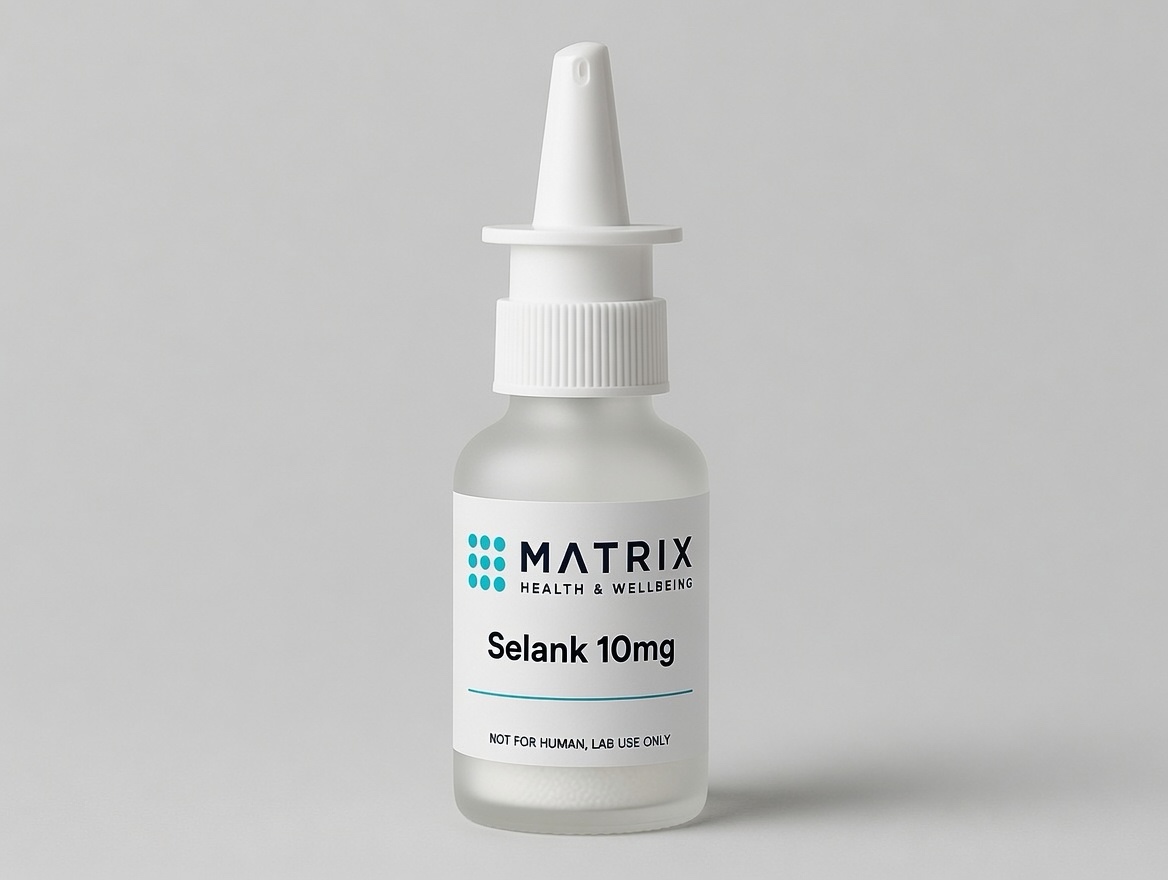
Selank is a synthetic heptapeptide (Thr-Lys-Pro-Arg-Pro-Gly-Pro) derived from the endogenous immunomodulatory peptide Tuftsin. This nasal spray formulation delivers 10mg per bottle for transmucosal peptide delivery in research protocols.
Preclinical research has demonstrated Selank's capacity to modulate BDNF expression in hippocampal tissue and influence serotonin metabolism. The intranasal route is of particular interest in neuroimmunology research as it provides direct access to the CNS via the olfactory pathway, bypassing the blood-brain barrier.
Each Matrix Health bottle contains 10mg of ≥99% HPLC-verified Selank. Certificate of Analysis available on request. Supplied for qualified in vitro research use only.
Crypto payment · BTC · USDT · LTC · Free UK shipping over £75
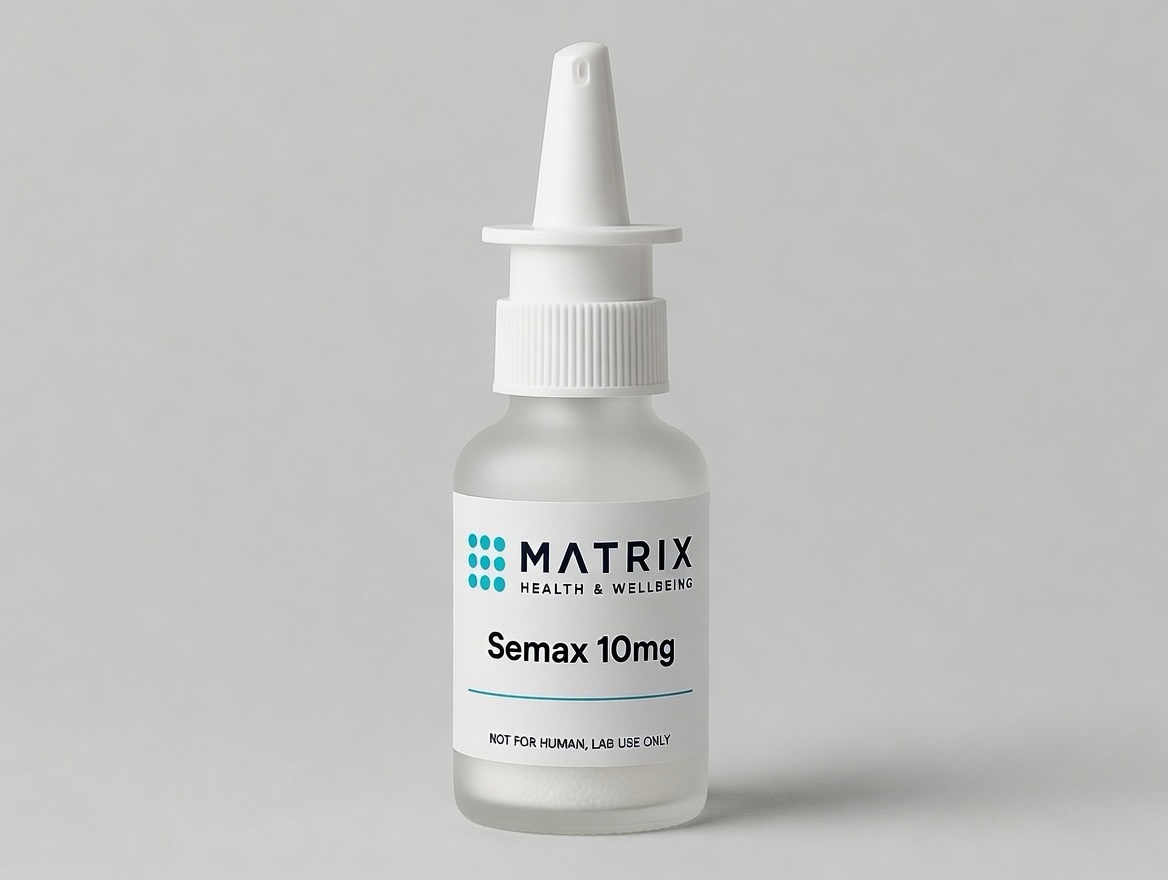
Semax is a synthetic heptapeptide analogue of the adrenocorticotropic hormone (ACTH) fragment 4–7. This nasal spray formulation delivers 10mg per bottle, optimised for transmucosal research protocols requiring direct CNS access.
Preclinical studies have demonstrated Semax's capacity to upregulate BDNF and nerve growth factor (NGF) in the hippocampus and frontal cortex. The intranasal route is of significant research interest as it provides rapid CNS bioavailability while bypassing systemic circulation, making it a model compound for studying peptide-mediated neuroprotection.
Each Matrix Health bottle contains 10mg of ≥99% HPLC-verified Semax in bacteriostatic water. Certificate of Analysis available on request. Supplied for qualified in vitro research use only.

Tirz (tirzepatide) is a 39-amino acid synthetic acylated peptide engineered as a dual agonist of the glucose-dependent insulinotropic polypeptide receptor (GIPR) and the glucagon-like peptide-1 receptor (GLP-1R). Its sequence is based on the native GIP molecular scaffold, with strategic amino acid substitutions that confer balanced co-agonism at both incretin receptors. This dual-receptor engagement is the basis of the “twincretin” designation. Tirzepatide demonstrates preferential affinity for the GIP receptor over GLP-1R, producing a pharmacological profile that is distinct from selective GLP-1 agonists such as semaglutide.
Mechanism of Action. GLP-1R activation by tirz drives glucose-dependent insulin secretion, suppresses glucagon release, slows gastric emptying, and engages central satiety pathways via hypothalamic GLP-1 receptors — reducing caloric intake in clinical research settings. Simultaneous GIPR activation produces complementary and synergistic effects: GIP enhances insulin secretion in a glucose-dependent manner, promotes fatty acid uptake and storage in adipocytes during energy surplus, and appears to sensitise the GLP-1 pathway, amplifying the net metabolic response. In adipose tissue, GIPR activation has been shown to modulate adiponectin secretion and lipolytic signalling. The co-activation of both incretin axes results in greater improvements in glycaemic control and greater reductions in body fat than either pathway alone.
Research Background. Clinical and preclinical research on tirzepatide has demonstrated reductions in total fat mass and visceral adipose tissue (VAT) recorded in clinical trial data, and waist circumference compared to selective GLP-1 agonists at equivalent treatment durations. A 2024 body composition analysis published in PMC found that tirzepatide produced significantly greater decreases across body-fat compartment measures in clinical trials versus dulaglutide and semaglutide comparators. Insulin sensitivity improvements have been observed to exceed those achieved by semaglutide in head-to-head research models, associated with lower prandial insulin and glucagon concentrations. The compound is formulated as a lyophilised research powder for in vitro and preclinical experimental use; all referenced findings are from clinical and controlled research settings and do not constitute evidence of outcomes in uncontrolled research contexts.
Supplied by Matrix Health. Available in three research concentrations: 10mg, 20mg, and 40mg per vial. Lyophilised white powder, verified at ≥99% purity by HPLC and confirmed by mass spectrometry. Certificate of Analysis available on request. Store at −20°C; stable for 24 months lyophilised, or up to 4 weeks in solution at 4°C. Prepare with bacteriostatic water for research use.
Crypto & Bank Transfer accepted · SSL encrypted
Visceral Adipose Reduction: Research subjects showed significantly greater decreases in visceral adipose tissue reductions observed in trial data and total fat mass reductions recorded in clinical trial data compared to selective GLP-1 agonists at equivalent durations, including superiority over semaglutide and dulaglutide comparators.
Insulin Sensitivity: Tirzepatide has been shown to improve insulin sensitivity and insulin secretory responses in research models to a greater extent than semaglutide, associated with lower prandial insulin and glucagon concentrations in controlled research settings.
Dual Incretin Synergy: Co-infusion of GIP and GLP-1 pathways produces a synergistic insulin response significantly greater than either hormone administered separately — the mechanistic basis of the twincretin effect observed with tirz.
Metabolic Profile: Tirzepatide demonstrates preferential engagement of the GIP receptor, producing a distinct pharmacological profile versus selective GLP-1 agonists. GIP receptor activation modulates adiponectin secretion, lipolytic signalling, and amplifies the net GLP-1 metabolic response.

Reta (retatrutide) is a synthetic acylated peptide engineered as a triple agonist of the glucose-dependent insulinotropic polypeptide receptor (GIPR), the glucagon-like peptide-1 receptor (GLP-1R), and the glucagon receptor (GCGR). This simultaneous tri-receptor engagement differentiates retatrutide from dual agonists such as tirzepatide, producing a broader metabolic profile that encompasses not only incretin-mediated insulin secretion and appetite suppression observed in trial subjects, but also direct glucagon-mediated hepatic energy expenditure and lipolysis. The glucagon component drives thermogenic and catabolic effects that complement and amplify the GIP and GLP-1 axes.
Mechanism of Action. GLP-1R activation drives glucose-dependent insulin secretion, glucagon suppression, delayed gastric emptying, and central satiety signalling. GIPR co-agonism enhances insulin secretion, modulates adipose lipolytic signalling, and sensitises the GLP-1 response — the established twincretin mechanism. Glucagon receptor activation adds a distinct dimension: stimulating hepatic glucose output in fasted states is counterbalanced by the concurrent GLP-1 and GIP insulin response, while the net effect on adipose tissue is pronounced lipolysis, increased fatty acid oxidation, and elevated energy expenditure. Pre-clinical research models show retatrutide-treated subjects achieving greater reductions in body weight and fat mass than dual agonist comparators at equivalent doses, attributed to this tri-receptor synergy.
Research Background. Phase 2 clinical research on retatrutide demonstrated dose-dependent reductions in body weight of up to 24% recorded in Phase II/III clinical trials over 48 weeks — exceeding outcomes observed with tirzepatide and semaglutide at comparable timepoints. Subjects in the highest dose cohort showed significant decreases in total fat mass reductions recorded in clinical trial data, visceral adipose tissue reductions observed in trial data, waist circumference, and improvements in lipid profiles including triglycerides and HDL cholesterol. Metabolic rate data suggest retatrutide increases energy expenditure beyond caloric restriction alone, consistent with the glucagon receptor component driving hepatic lipid oxidation and thermogenesis. The compound is formulated as a lyophilised research powder for in vitro and preclinical experimental use; all referenced findings are from controlled clinical research settings.
Supplied by Matrix Health. Available in three research concentrations: 10mg, 20mg, and 40mg per vial. Lyophilised white powder, verified at ≥99% purity by HPLC and confirmed by mass spectrometry. Certificate of Analysis available on request. Store at −20°C; stable for 24 months lyophilised, or up to 4 weeks in solution at 4°C. Prepare with bacteriostatic water for research use.
Crypto & Bank Transfer accepted · SSL encrypted
Tri-Receptor Synergy: Simultaneous GIP, GLP-1, and glucagon receptor engagement produces metabolic effects that exceed those of dual agonists. The glucagon component drives hepatic lipid oxidation, thermogenesis, and direct lipolysis, complementing and amplifying the incretin axes.
Body Weight & Fat Mass: Phase 2 data showed dose-dependent weight reductions of up to 24% over 48 weeks — surpassing outcomes observed with tirzepatide and semaglutide at comparable timepoints in research subjects. Significant decreases in visceral adipose tissue reductions observed in trial data and waist circumference were observed across dose cohorts.
Energy Expenditure: Metabolic rate data suggest retatrutide increases energy expenditure beyond what caloric restriction alone would predict, consistent with glucagon receptor-mediated hepatic fatty acid oxidation and thermogenic signalling.
Lipid Profile: Research subjects showed significant improvements in triglycerides, HDL cholesterol, and other lipid markers, reflecting the compound’s broad metabolic impact across glucose homeostasis, adipose biology, and hepatic lipid metabolism.